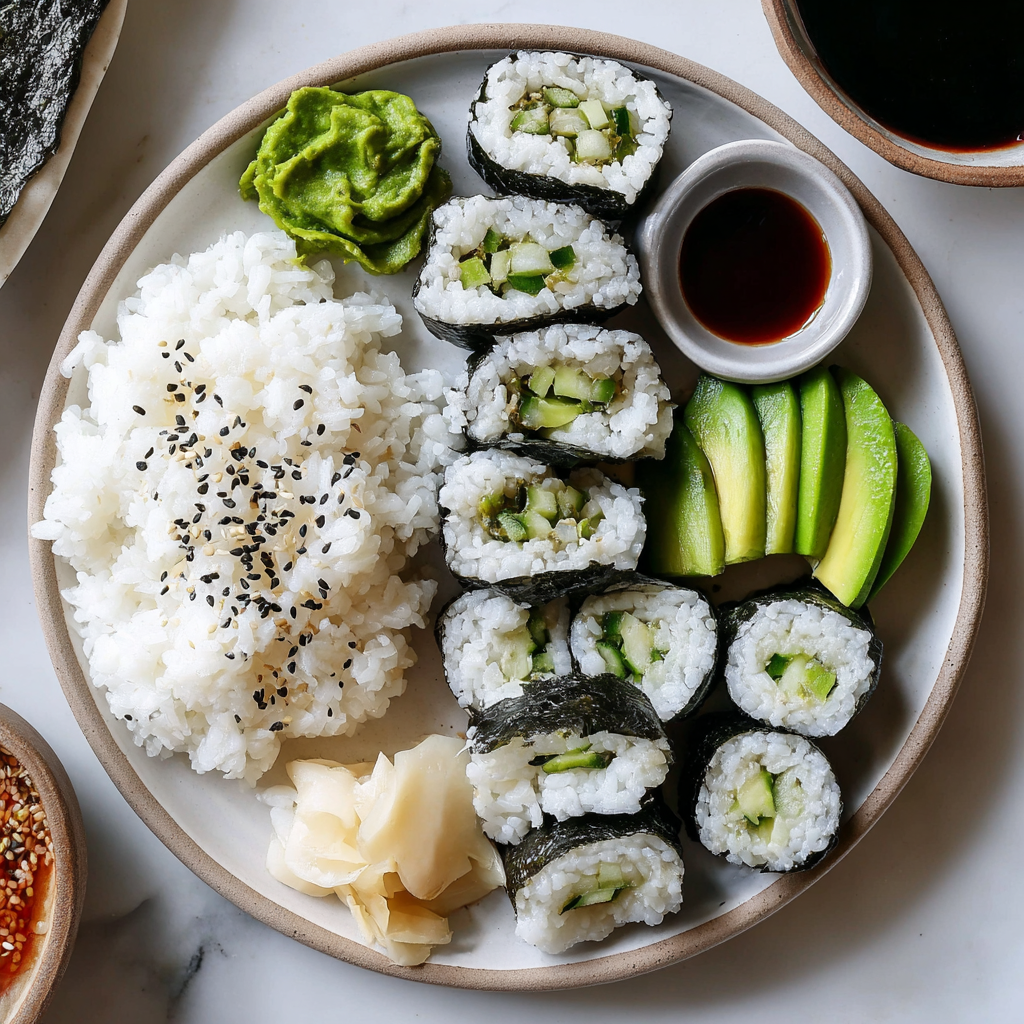
Mastering sushi rice is an essential skill for creating authentic, delicious sushi at home. The perfect sushi rice is glossy and tender, with a slight stickiness that binds your rolls without turning mushy. Its balanced seasoning of sweet and tangy sets the foundation for every sushi bite.
This guide walks you through thoroughly rinsing the rice, cooking with precision, and seasoning with traditional sushi vinegar to achieve flawless results every time. Whether you use a rice cooker or stovetop, these techniques ensure perfectly textured rice ready for your favorite sushi fillings.
- Produces tender, glossy sushi rice with just the right stickiness for easy rolling.
- Balanced sweet and tangy seasoning enhances sushi flavors naturally.
- Step-by-step instructions suitable for both rice cooker and stovetop methods.
- Simple ingredients you can find easily, making homemade sushi approachable.
Ingredients
- Sushi Rice: 1 ½ cups of short-grain sushi rice, providing the essential texture and stickiness for sushi.
- Water (Rice Cooker Method): 1 ½ cups plus 1 tablespoon of water, perfectly measured for optimal rice absorption in a rice cooker.
- Water (Stovetop Method): 1 ⅜ cups (330 ml) of water to cook the rice gently and evenly on the stove.
- Rice Vinegar: ¼ cup of rice vinegar, the key seasoning component that adds brightness and mild acidity.
- Sugar: 2 tablespoons of granulated sugar, balancing the vinegar’s tang with subtle sweetness.
- Salt: 1 teaspoon of salt, enhancing overall flavor and seasoning the rice perfectly.
Instructions
- Rinse the Rice Thoroughly
-
Place your sushi rice in a large bowl and rinse under cold water. Gently swirl the rice with your hand and drain the water. Repeat this process 3 to 4 times until the water runs mostly clear. This crucial step removes excess surface starch, which can cause gummy or overly sticky rice.
- Drain the Rice
-
After rinsing, let the rice drain in a fine sieve or colander for 5 to 10 minutes. Removing excess moisture helps ensure the rice cooks evenly and doesn’t turn mushy.
- Cook Using Rice Cooker Method
-
Transfer the rinsed rice into your rice cooker and add 1 ½ cups plus 1 tablespoon of water. Select the white rice setting and cook until done. Once cooked, let the rice rest, covered, inside the cooker for 10 minutes. This resting phase lets the rice finish steaming for ideal texture.
- Cook Using Stovetop Method
-
Place rinsed rice and 1 ⅜ cups of water into a pot and bring to a gentle boil over medium heat. Once boiling, reduce heat to low and cover with a tight-fitting lid. Simmer for 15 minutes without lifting the lid to prevent steam from escaping. After cooking, remove from heat and let stand, still covered, for 10 minutes to complete the steaming process.
- Prepare the Sushi Vinegar Seasoning
-
In a small saucepan over low heat, combine rice vinegar, sugar, and salt. Stir continuously until the sugar and salt dissolve completely, but avoid boiling. Remove from heat and allow the mixture to cool to room temperature. This seasoning will flavor your sushi rice with the perfect balance of sweet and tangy notes.
- Season the Hot Rice
-
Transfer the hot cooked rice to a large shallow bowl, preferably wooden, which helps absorb excess moisture. Gradually drizzle the cooled sushi vinegar over the rice. Using a spatula or rice paddle, fold and slice through the rice gently without mashing it. Simultaneously fan the rice to cool it slightly and develop a shiny finish on the grains.
- Always use short-grain sushi rice for authentic texture and stickiness.
- Never skip rinsing; it removes excess starch that causes gummy rice.
- Do not lift the lid during cooking to maintain proper steam and tenderness.
- Use the rice at room temperature for best sushi rolling results; avoid refrigeration.
Storage Tips
Use sushi rice fresh on the day it is prepared for best texture and flavor. If needed, keep it covered with a damp towel at room temperature for a few hours. Avoid refrigeration, as cold storage hardens the rice and affects its stickiness.
Serving Suggestions
Sushi rice is the foundation for various sushi types, including nigiri, maki rolls, and temaki. Serve it alongside fresh seafood, vegetables, pickled ginger, and wasabi for a complete sushi experience. Leftover rice can also be repurposed in rice bowls or as a base for poke.
- Use a wooden bowl if possible to improve rice texture and absorb moisture.
- Gently folding and fanning the rice cools it quickly and creates the signature glossy appearance.
- Adjust seasoning slightly to suit taste but keep the balance of vinegar, sugar, and salt.
FAQs
- Can I use other types of rice for sushi?
-
Short-grain sushi rice is recommended due to its stickiness and texture. Other types like long-grain rice will not hold sushi shapes properly.
- Why is rinsing the rice so important?
-
Rinsing removes surface starch that can make rice too sticky or gummy, ensuring each grain remains tender and separate.
- Can I skip the vinegar seasoning?
-
The sushi vinegar seasoning is essential for authentic flavor, balancing sweetness and acidity to complement fillings perfectly.
- How do I keep sushi rice warm before serving?
-
Cover the rice with a damp cloth at room temperature to retain moisture and prevent it from drying out. Avoid refrigeration.
- Is it okay to use a microwave to warm sushi rice?
-
Microwaving can dry out or unevenly heat the rice, so it’s best to prepare sushi rice fresh and keep it covered.
- Can I prepare sushi rice in advance?
-
It is best to make sushi rice fresh the same day. Making it in advance and refrigerating will harden the rice and affect texture.
- What is the purpose of fanning the rice?
-
Fanning cools the rice while mixing, helping to evaporate excess moisture and give it a shiny, appealing finish.
Perfect Sushi Rice Every Time
Equipment
- 1 rice cooker optional, alternatively use a pot
- 1 small saucepan
- 1 large shallow bowl preferably wooden
- 1 spatula or rice paddle
- 1 fan optional, to cool rice and add shine
Ingredients
- 1 1/2 cups sushi rice
- 1 1/2 cups plus 1 tbsp water rice cooker method
- 1 3/8 cups 330 ml water (stovetop method)
- 1/4 cup rice vinegar
- 2 tbsp sugar
- 1 tsp salt
Instructions
- Rinse the sushi rice under cold water by gently swirling; repeat until water runs mostly clear, about 3 to 4 times, then drain and let sit for 5 to 10 minutes.
- For rice cooker: add rinsed rice and 1 1/2 cups plus 1 tablespoon water; cook on white rice setting, then let stand covered for 10 minutes.
- For stovetop: add rinsed rice and 1 3/8 cups water to a pot; bring to a gentle boil, reduce to low heat, cover, and simmer for 15 minutes without lifting the lid; remove from heat and let stand covered for 10 minutes.
- In a small saucepan over low heat, combine rice vinegar, sugar, and salt; stir until dissolved without boiling; cool to room temperature.
- Transfer the hot rice to a large shallow bowl, preferably wooden; gradually drizzle the sushi vinegar over rice.
- Gently fold and slice through the rice with a spatula or rice paddle to mix, avoiding mashing; fan the rice while mixing to cool slightly and create a glossy finish.
Notes
- Use only short-grain sushi rice for best texture.
- Rinse rice thoroughly to remove excess starch.
- Always allow rice to rest after cooking.
- Use rice at room temperature, not refrigerated, for sushi.
- Best eaten fresh, same day; store covered with damp towel if needed.
- Avoid refrigeration to prevent rice from hardening.